I was born in my parents’ bedroom overlooking the River Cole (the midwife arrived after I did, and may have been a little worse for drink, but that’s another story — my parents coped without her), and grew up (when I wasn’t at school) in and around the river. My ‘patch’ stretched from Trittiford Mill Pool (with its ducks and swans and moorhens and coots, and mysterious islands that I never did reach except in my dreams) through the Dingles (which lay at the bottom of our garden, a treasure-house of trees to climb and hidden paths to follow and a river for paddling and catching sticklebacks) all the way up to Sarehole Mill (with its brooding mill-pond overhung by trees, and the recreation ground where summer fêtes were held come rain or shine). The Cole Valley in Hall Green fed my imagination, and taught me to look for the unexpected and interesting things that can be found anywhere, if you’re only willing to look beyond the surface.
Four Arches, The Dingles
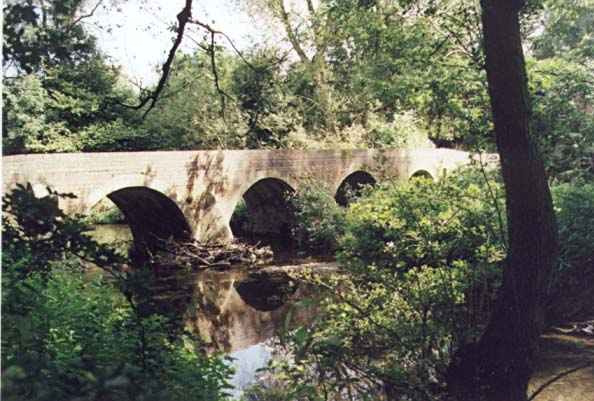
Image used with permission and taken from Images of Hall Green Today, where you’ll find a number of other images of Hall Green Past and Present.
I could see the Four Arches bridge from my bedroom window when I was a child. It was a good place to paddle and catch sticklebacks to take home in a jam-jar and add to the population in the old Belfast Sink that sat in the ‘yard’. I suspect the sticklebacks would have been happier left where they were.
Back then, in the Dingles beyond the end of the garden, the grass was kept mown (I’m told the same area is a mass of brambles now), and you could see humps and bumps — some people claimed these were the tops of Anderson shelters, and others that they were the evidence of ridge-and-furrow fields… I think ridge-and-furrow is more likely as Anderson shelters beyond the boundary of the gardens would not have been very accessible. But whatever they were, courting couples in my teens found them very hospitable — at the wrong time of day, you had to avert your eyes as you walked from Brook Lane along the back boundary of the houses in Cole Valley Road.
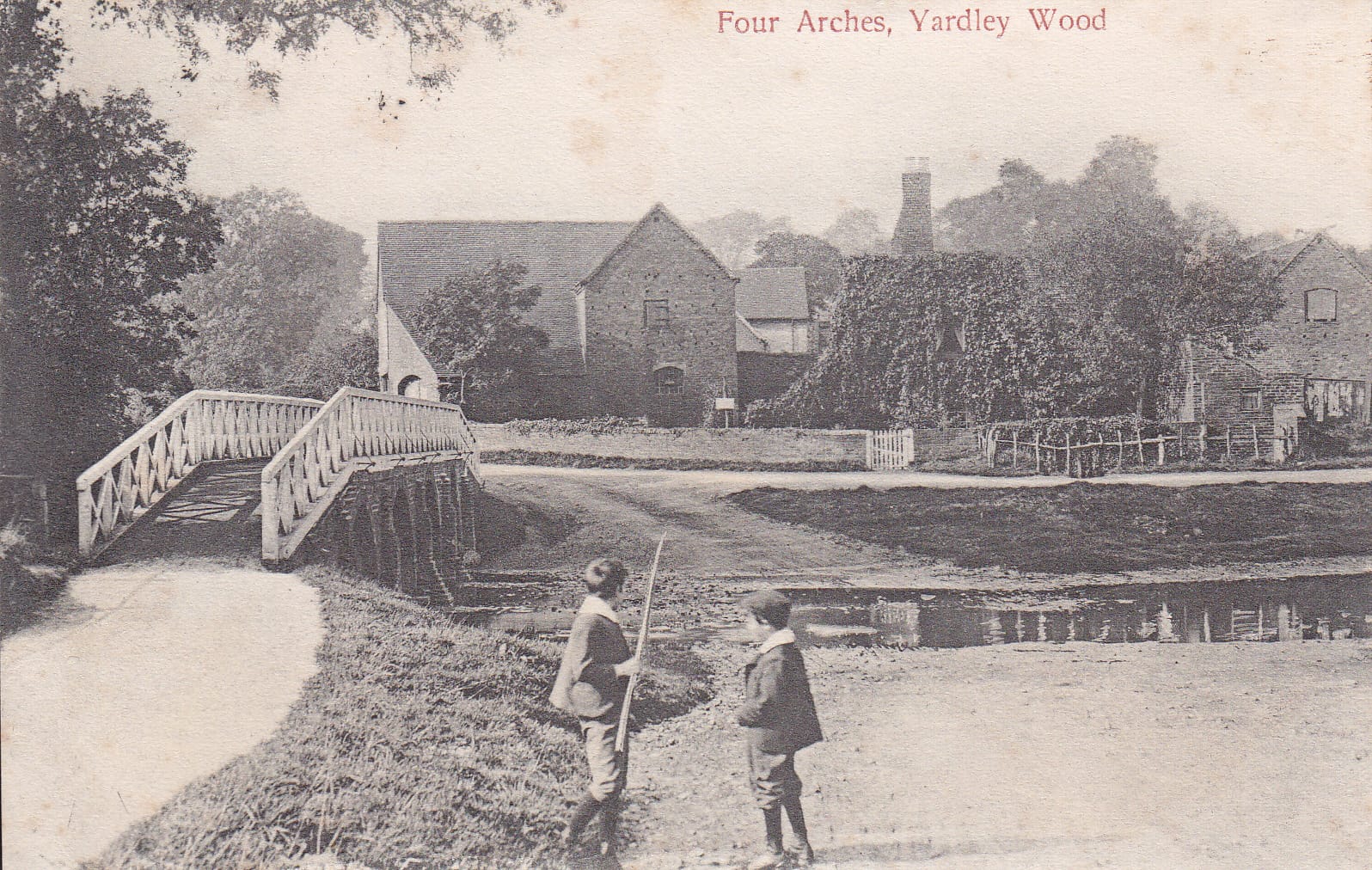
Image from a postcard in the private collection of ColeValleyGirl.
Brook Farm still existed in 1905, and there was a ford next to the bridge. It does look as if the boys were going fishing, although I doubt sticklebacks were on the menu.
I was always told the bridge parapets were so low to allow loaded wagons to pass; was that not so important by 1905?
The River Cole
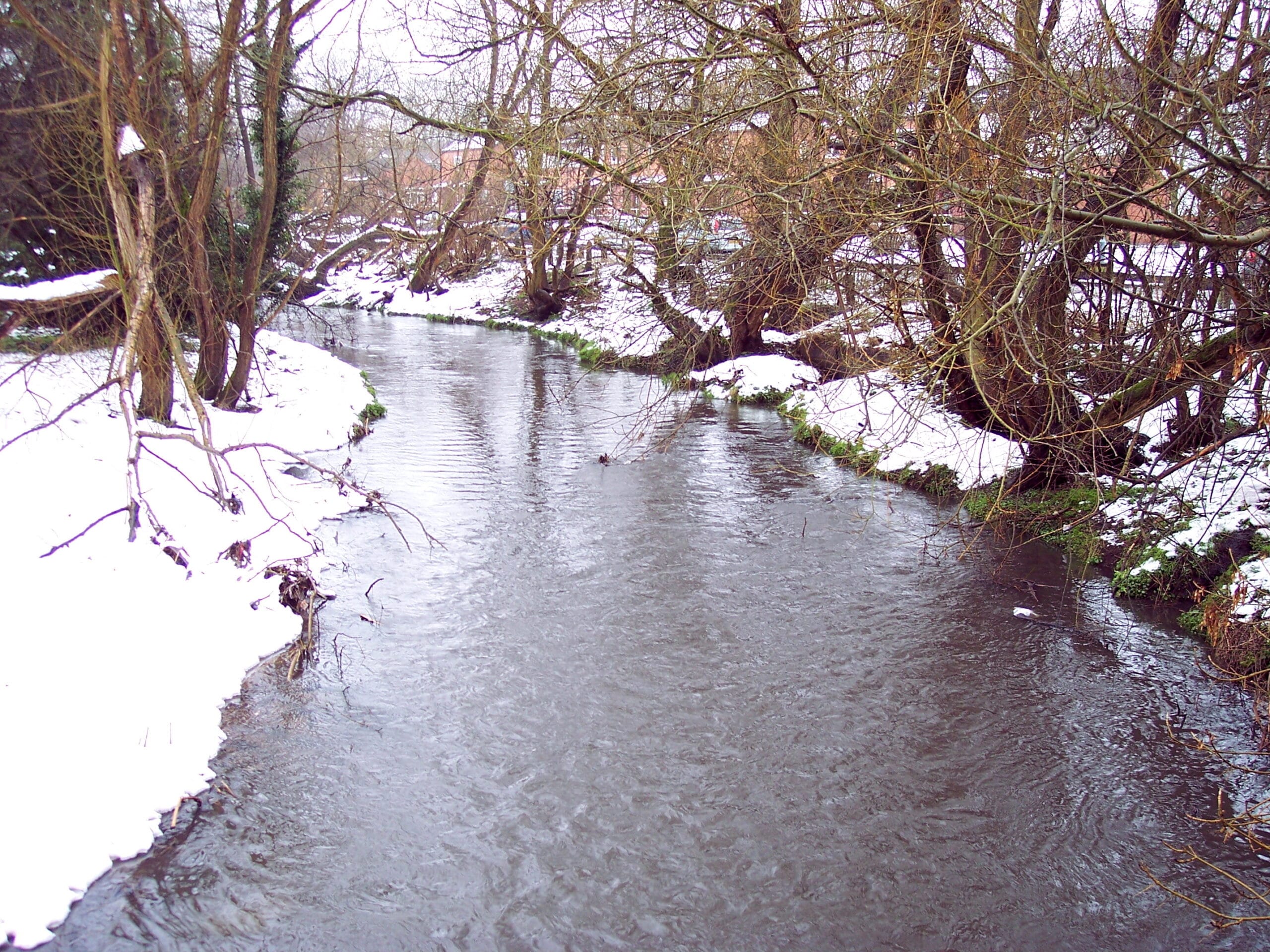
Image © Stuart Atkins and used under this Creative Commons licence.
The River Cole in winter, as viewed from the road bridge on Brook Lane. I’m sure my memory is unreliable, but I don’t remember a lot of snow while I was living in Hall Green after the winter of 62/63, when I do remember walking in channels through snow drifts that were a long way above my head. Of course, for a 4-year-old, that may not be that high, but by all accounts 62/63 was a very hard winter.
The Whyrl-Hole / Weir
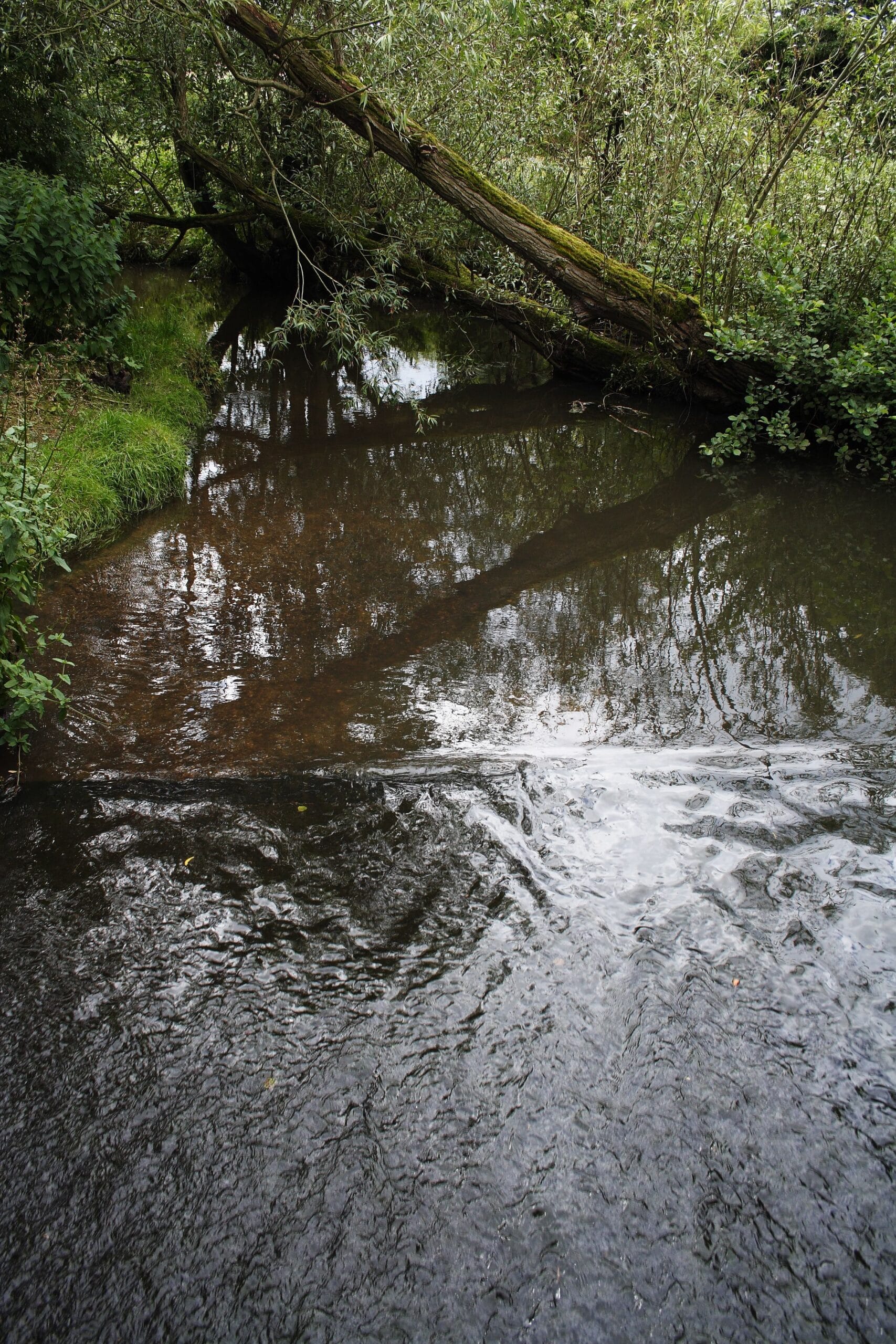
Image © Ted and Jen and used under this Creative Commons licence.
Another favourite place for paddling and fishing, but very definitely only on the upstream side of the weir. Keeping your footing on the weir itself was very chancy (a slippery surface and fast flowing water) and on the other side of the weir a deep pool had been scoured. The bridge that crossed the river over the weir (not shown) had no parapet in my day; it’s been renovated since and railings added, as shown here.
Sarehole Mill
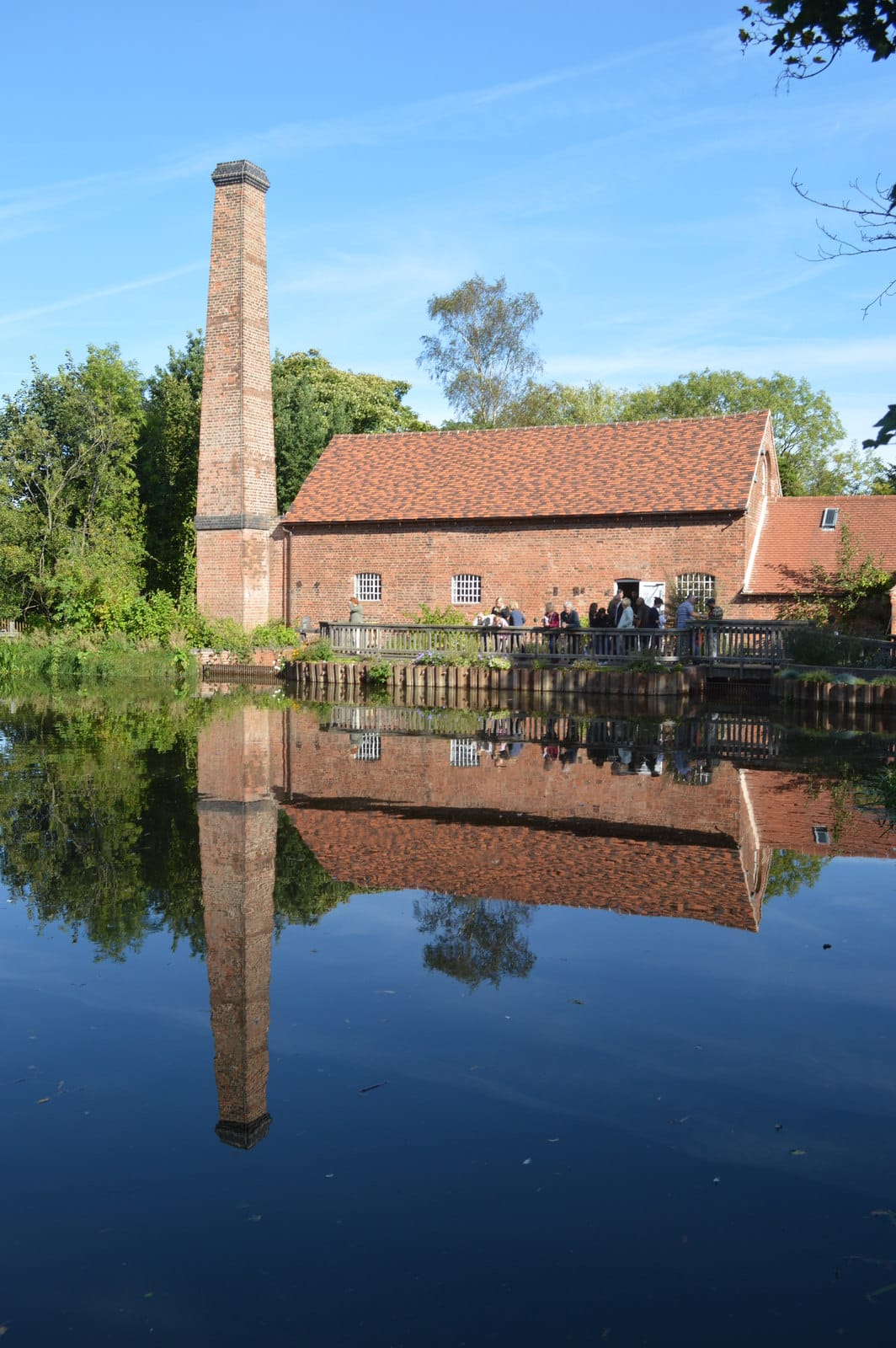
Image © John M and used under this Creative Commons licence.
Sarehole Mill is a Grade II listed water mill dating back to the 18th century (there was a mill on the same site since the 16th century) and restored from dereliction in 1969. As a child, J.R.R. Tolkien lived close to it in what was then countryside; he said in an interview in The Guardian it was the inspiration for the mill at Hobbiton in The Lord of the Rings.
‘It was a kind of lost paradise,’ he said. ‘There was an old mill that really did grind corn with two millers, a great big pond with swans on it, a sandpit, a wonderful dell with flowers, a few old-fashioned village houses and, further away, a stream with another mill. I always knew it would go – and it did.’
Equally importantly, it played a role in the Industrial Revolution. Matthew Boulton (James Watt’s partner in developing steam power) rented it from 1756 to 1761. It is believed he did experiments there and may have adapted parts of it for metal rolling, before he went on to set up the first proper factory (the Soho Manufactory) in Handsworth.
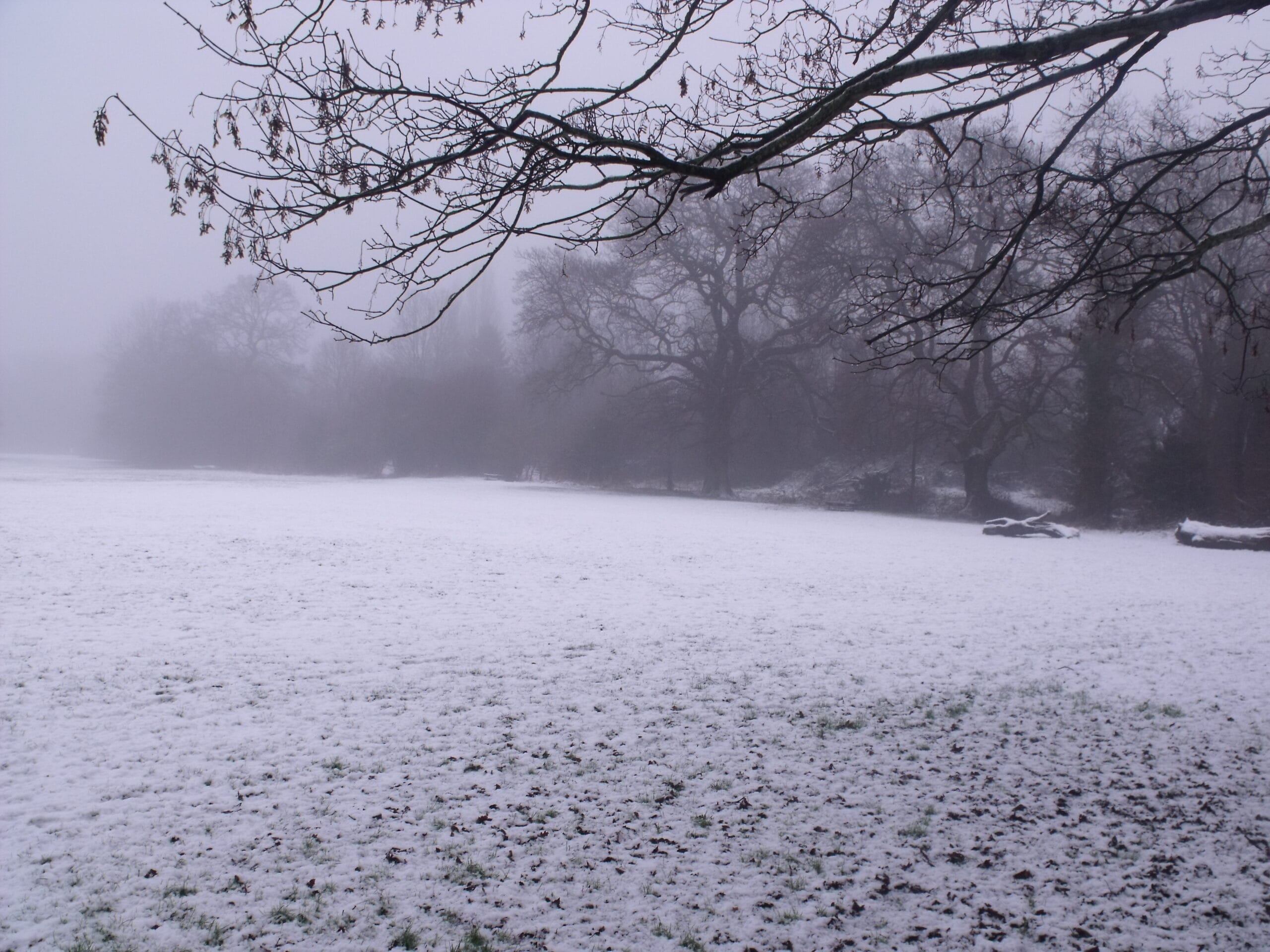
Image © Elliott Brown and used under this Creative Commons licence.
The field next to Sarehole Mill was the site of an annual summer fête (always round about my birthday). All the traditional summer fête activities: tombola and various other simple stalls, including a home-made cake stall that Mum always refused to frequent. Supposedly she could make the same things cheaper at home, even though she rarely did. And there was paddling (did I spend my entire childhood up to my knees in water? Sometimes it seems like it.)
Of course the summer fête never looked anything like this. Except when it was windy. Or wet. Or cold. But at least there was never any snow!
Trittiford
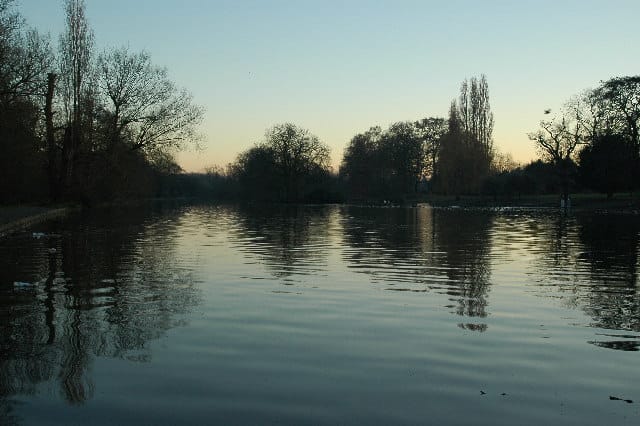
Image © Darius Khan and used under this Creative Commons licence.
We were not (officially) allowed to go to Trittiford Mill on our own, and certainly not at this time of night. However, it was the very best local place to see birds… coots, moorhens, ducks, geese, herons… And there were islands we couldn’t reach which were therefore magical… I suspect my mother turned a blind eye when I ventured that far. Not that I told her, of course.
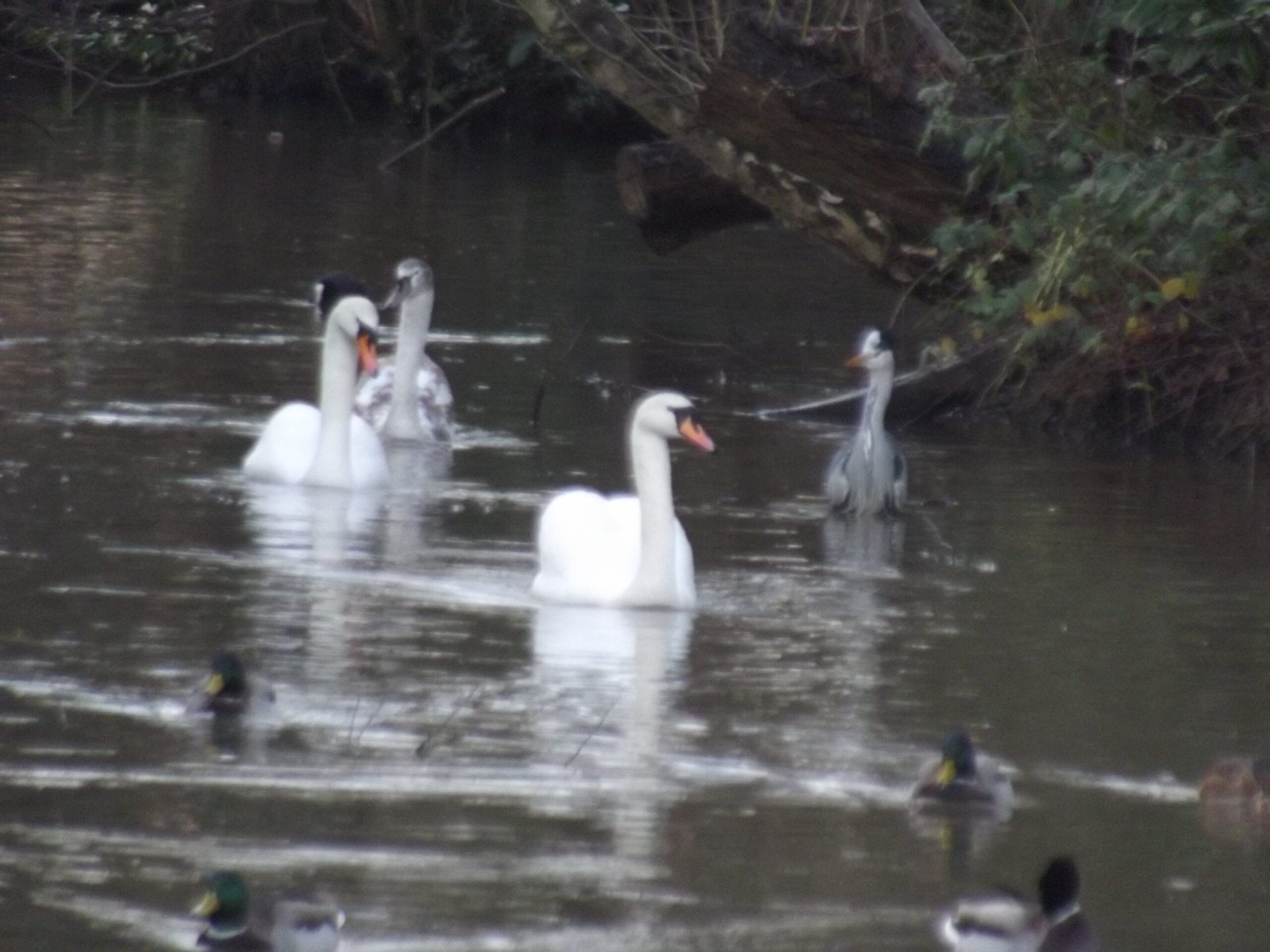
Image © Elliott Brown and used under this Creative Commons licence.
We were always told to avoid the swans as they could break our arms, but they are magnificent animals.
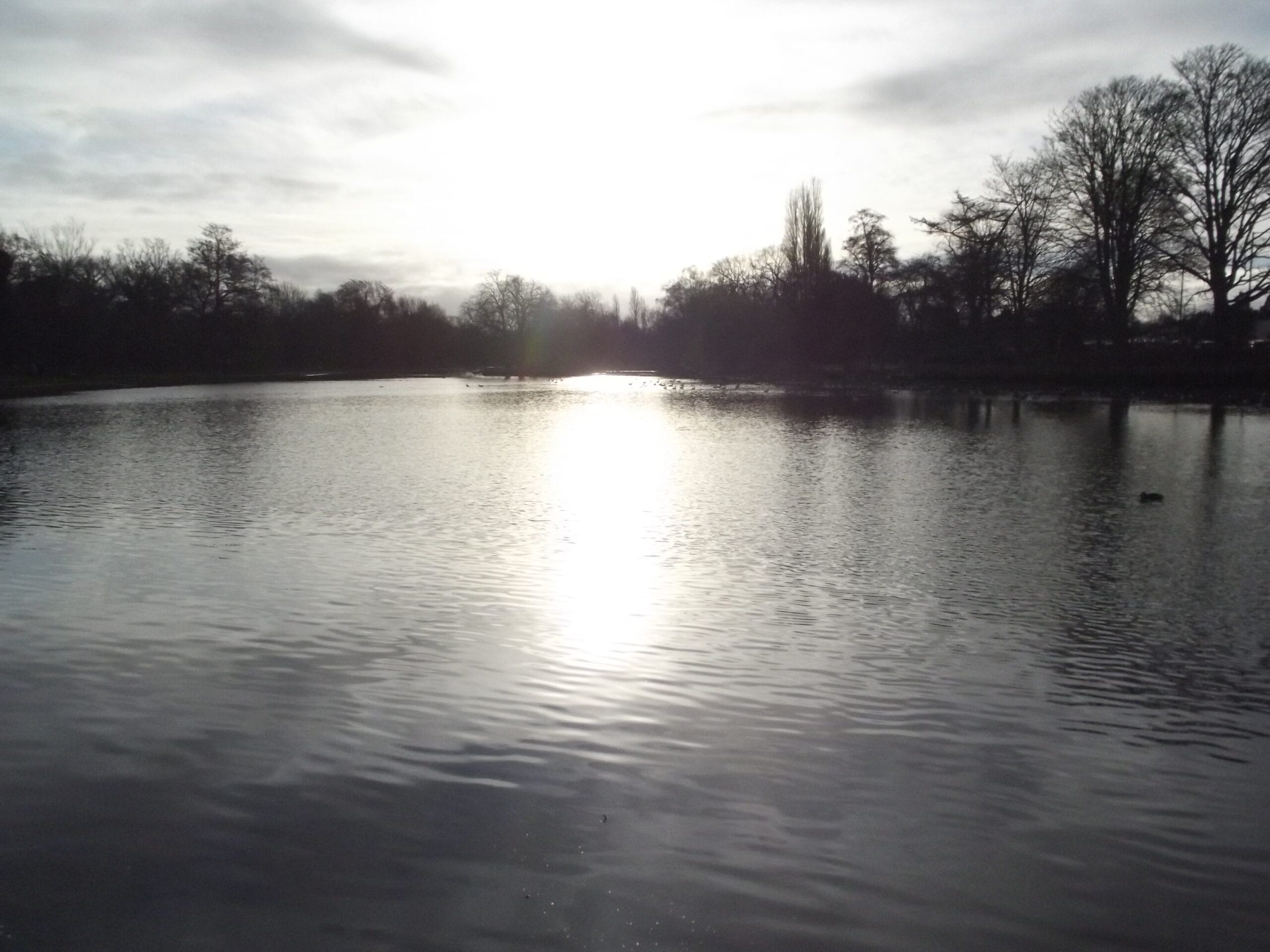
Image © Elliott Brown and used under this Creative Commons licence.
Isn’t it utterly gorgeous? If I still lived around there, my morning rambles would head reliably in this direction.
Moseley Bog
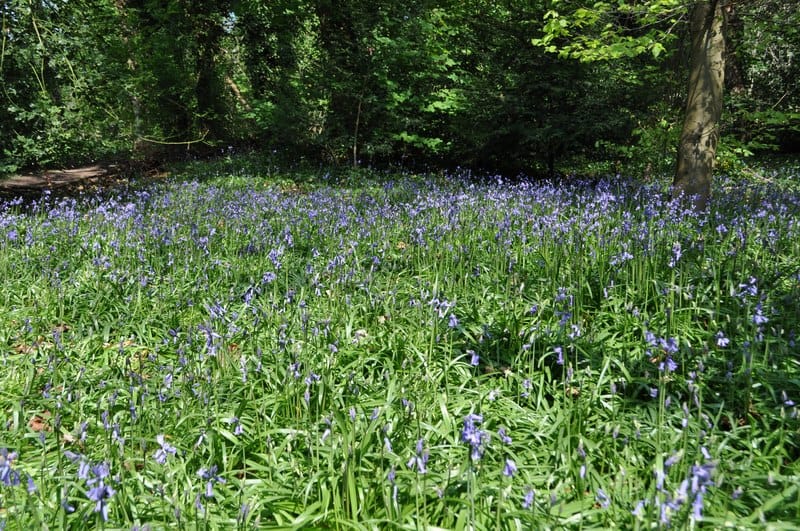
Image © Ashley Dace and used under this Creative Commons licence.
Moseley Bog was way out of bounds when I was growing up… except that I went to a school that had half days and odd holidays and at 12 I was old enough to have a door key. So, Mum didn’t know if I stopped off on the way home on the bus route that passed the bog, as long as I took care not to get too muddy… It was a lovely place to wander and think.
Apparently it was another inspiration for Tolkien. According to a piece in The Telegraph in December 2007:
‘The trees do not like strangers. They watch you. They are usually content merely to watch you, as long as daylight lasts.’
Tolkien was writing, in Book One of The Lord of the Rings, about the mysterious Old Forest, haunt of the ageless Tom Bombadil.
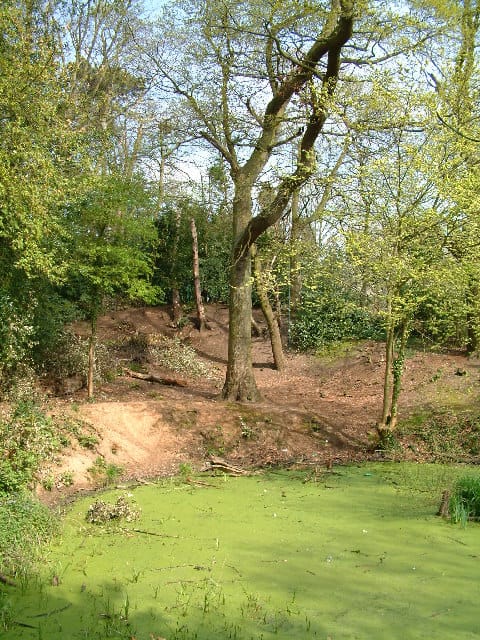
Image © Darius Khan and used under this Creative Commons licence.
Another view of Moseley Bog. I still dream about this place.